
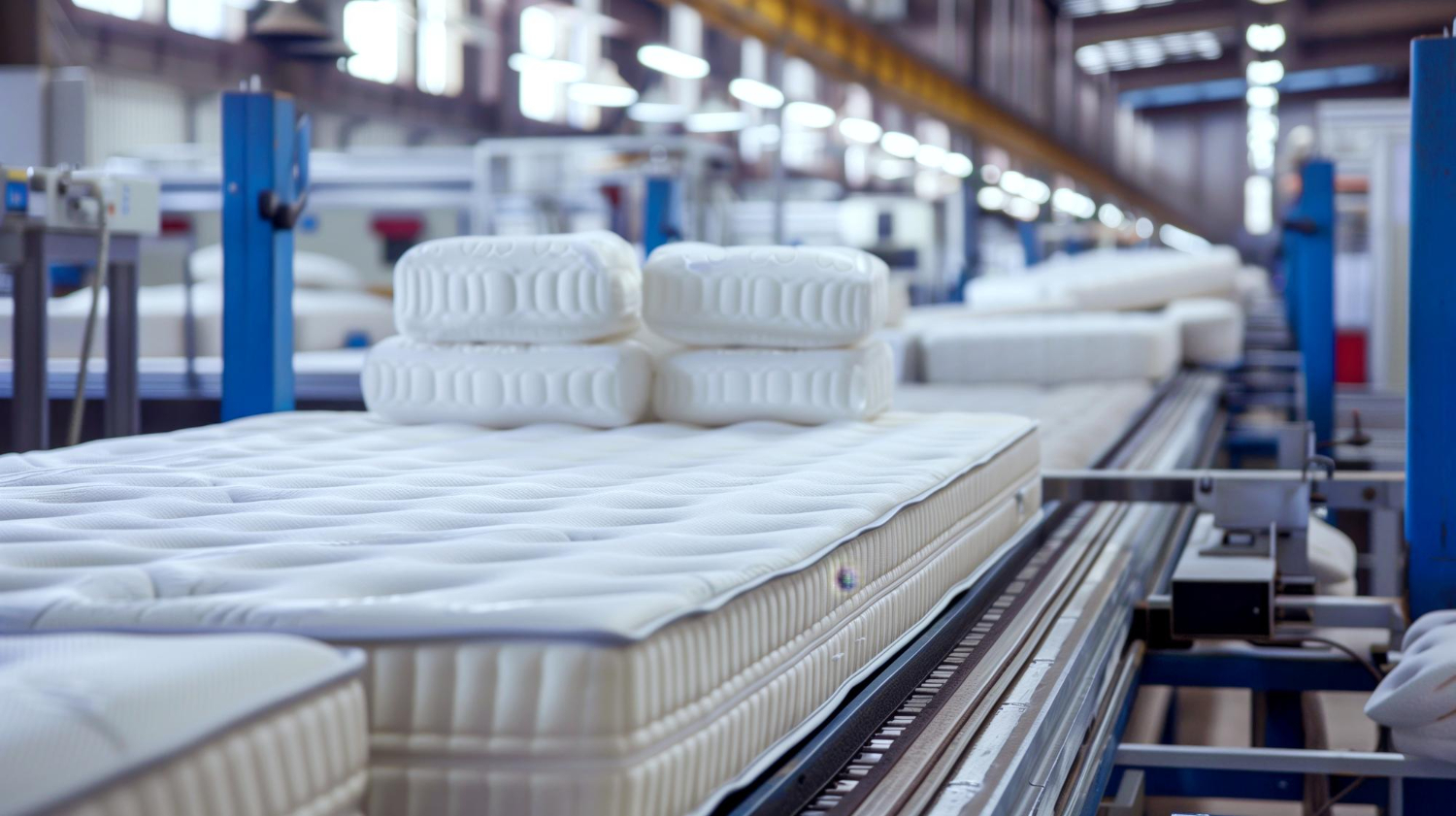
A mattress is one of the most expensive items in a bedroom or hotel room, and one of the hardest to clean. Spills, perspiration, accidents and allergens can shorten its life dramatically or make it unhygienic. A waterproof fitted mattress protector solves this problem by forming a thin, washable barrier between the sleeper and the mattress, while fitting as easily as a fitted sheet.
For hotels, healthcare suppliers, retailers and baby brands, mattress protectors are a high-volume, high-repeat product. But not all protectors perform the same. The choice of top fabric, waterproof membrane, lamination method and elastic system determines whether the protector is quiet and breathable or noisy and hot, and whether it survives hundreds of washes or cracks after a few months. This guide explains what buyers should know when working with a waterproof fitted mattress protector manufacturer. See also our fitted sheet manufacturing page, as protectors and fitted sheets are often ordered together.
How a Waterproof Fitted Mattress Protector Is Built
A typical waterproof fitted protector has three main components.
| Component | Function | Common materials |
|---|---|---|
| Top layer (sleeping surface) | Comfort, absorbency, hand feel | Cotton terry, cotton jersey, polyester knit, microfiber, bamboo viscose, quilted fabric |
| Waterproof barrier | Stops liquids from reaching the mattress | TPU (thermoplastic polyurethane), PU, PVC, PE |
| Skirt (sides) | Holds the protector on the mattress | Knitted polyester or cotton-poly skirt with elastic |
The top layer and barrier are usually laminated together, while the skirt is sewn around the edge, creating a fitted-sheet style construction.
Choosing the Waterproof Barrier
The barrier is the most important technical decision. It affects breathability, noise, comfort and laundry durability.
| Barrier | Breathability | Noise | Laundry durability | Typical use |
|---|---|---|---|---|
| TPU membrane | Good – vapour permeable | Quiet | Very good | Premium retail, hotels, babies |
| PU coating / membrane | Good | Quiet | Good; depends on quality | Mid-range retail |
| PVC (vinyl) | Very low – feels hot | Can be noisy | Good but stiff | Budget, some healthcare uses |
| PE (polyethylene) film | Low | Often noisy | Moderate | Disposable or budget products |
TPU has become the preferred barrier for quality protectors because it is thin, flexible, quiet and breathable, allowing water vapour (perspiration) to escape while blocking liquid water. Many buyers also prefer to avoid PVC for sustainability and comfort reasons.
Top Fabric Options
| Top fabric | Feel | Absorbency | Notes |
|---|---|---|---|
| Cotton terry (knitted or woven) | Soft, towel-like | High – absorbs liquid before it spreads | Popular for babies, healthcare and hotels |
| Cotton jersey | Smooth, T-shirt-like | Medium | Quiet, comfortable under sheets |
| Polyester knit / microfiber | Smooth, soft | Low to medium | Economical, fast drying |
| Bamboo viscose terry | Very soft, cool | High | Premium retail |
| Quilted top with filling | Cushioned | Medium | Combined protector and light topper |
For more on knitted fabrics, see our jersey fitted sheets wholesale guide.
Fitted vs. Other Protector Styles
| Style | Description | Pros | Cons |
|---|---|---|---|
| Fitted (skirted) | Protector surface with elastic skirt like a fitted sheet | Easy to put on, stays in place, washable | Top surface only is waterproof |
| Elastic strap (anchor band) | Flat pad with elastic bands at the corners | Low cost, easy to fold | Can shift during use |
| Zippered encasement | Fully encloses the mattress | Protects all sides; used against bed bugs and allergens | Harder to remove and wash |
For most retail, hotel and household uses, the fitted style offers the best combination of protection and convenience. Jante Textile also produces alèze, mattress covers and quilts for different protection needs.
Key Performance Tests
A professional waterproof fitted mattress protector manufacturer tests both the fabric and the finished product.
| Property | Test method (examples) | What it shows |
|---|---|---|
| Water resistance | ISO 811 (hydrostatic pressure) | How much water pressure the barrier withstands |
| Breathability (water vapour transmission) | ISO 15496 or ASTM E96 | How well perspiration can escape |
| Lamination bond after washing | Wash test + visual and peel checks | Whether the membrane separates or blisters |
| Dimensional stability | ISO 5077 / ISO 6330 | Shrinkage of top fabric and skirt |
| Colour fastness | ISO 105-C06 | For coloured tops or skirts |
| Harmful substances | OEKO-TEX® Standard 100 (where required) | Chemical safety, important for baby products |
A practical in-house test is also useful: pour a measured amount of water onto the protector and check the underside after a set time, before and after repeated washing.
Laundry Durability: The Main Quality Differentiator
Mattress protectors often fail in the laundry rather than on the bed. High temperatures and aggressive drying can damage the barrier and lamination.
| Laundry factor | Risk | How to specify for it |
|---|---|---|
| Hot washing (e.g. 60 °C and above) | Delamination, membrane damage | Use TPU and laminates rated for the required wash temperature |
| High-temperature tumble drying | Membrane cracking or melting | Specify maximum drying temperature on care label |
| Bleach and strong chemicals | Membrane degradation, yellowing | Choose chemical-resistant materials; limit bleach in care instructions |
| Frequent washing (hotels, healthcare) | Elastic fatigue, seam wear | Strong elastic, reinforced skirt seams |
For hotels and healthcare, confirm the laundry process with the manufacturer so that the protector is built for industrial conditions. Our hotel quality fitted sheets bulk guide explains commercial laundry conditions in more detail.
Noise and Comfort
Early waterproof protectors had a reputation for crinkling and feeling hot. Modern constructions solve most of this.
| Issue | Cause | Solution |
|---|---|---|
| Crinkling noise | Stiff film such as PVC or PE | Thin TPU membrane laminated to a soft knit |
| Heat / sweating | Non-breathable barrier | Breathable TPU, absorbent cotton or bamboo top |
| Stiff feel | Thick membrane or rigid lamination | Flexible membrane and soft top fabric |
| Movement | Weak skirt elastic | All-around elastic, deep skirt |
Sizing and Skirt Depth
Mattress protectors must fit the full mattress height, similar to a fitted sheet.
| Mattress height | Recommended skirt depth |
|---|---|
| Up to 25 cm | 30 cm |
| 25–30 cm | 35 cm |
| 30–35 cm | 40 cm |
| Over 35 cm | 45 cm or more |
Standard sizes follow the target market (EU, UK, US). Special sizes for cots, hospital beds or RVs are also common; see our custom size fitted sheet guide.
Where Waterproof Protectors Are Used
| Segment | Key requirements |
|---|---|
| Hotels and resorts | Laundry durability, quiet surface, breathable, fits thick mattresses |
| Healthcare and care homes | Reliable waterproofing, frequent hot washing, hygiene |
| Babies and children | Soft top, chemical safety, snug fit on cots |
| Retail and e-commerce | Comfort, clear packaging claims, attractive price |
| Student housing and rentals | Durability, protection against spills and wear |
Private Label Mattress Protectors
Mattress protectors are an ideal addition to a private label bedding range. They share sizes and packaging logic with fitted sheets and can be bundled as a “bed protection set”. Packaging should clearly state waterproofing, breathability, fabric content, size and skirt depth. Claims such as “waterproof” or “breathable” should be supported by test results. See our private label fitted sheets wholesale guide for branding and labelling details.
Specification Checklist
| Item | Example |
|---|---|
| Style | Fitted, skirted |
| Top fabric | Cotton terry, knitted |
| Barrier | TPU membrane, laminated |
| Skirt | Knitted polyester, all-around elastic |
| Sizes | 90 × 200, 140 × 200, 160 × 200, 180 × 200 cm |
| Skirt depth | 35 cm |
| Wash rating | Agreed maximum wash and drying temperatures |
| Tests | ISO 811, water vapour transmission, wash durability, ISO 5077 |
| Packaging | Retail bag or bulk pack for hotels |
Comparing Protector Constructions by Price Level
| Level | Top fabric | Barrier | Skirt | Positioning |
|---|---|---|---|---|
| Economy | Polyester knit | PU or PE | Polyester, corner elastic | Budget retail, promotional |
| Mid-range | Cotton-poly terry | TPU | Knitted skirt, all-around elastic | Mainstream retail, e-commerce |
| Premium | Cotton or bamboo viscose terry | Breathable TPU | Deep knitted skirt, all-around elastic | Premium retail, boutique hotels |
| Contract | Cotton terry or poly-cotton | Heavy-duty TPU | Reinforced skirt | Hotels, healthcare, student housing |
This comparison is general. The best choice depends on your channel, price target and laundry conditions.
Care Label Essentials for Waterproof Protectors
Many protector failures come from incorrect washing and drying at home or in a laundry. Clear care instructions protect both the customer and your brand.
| Care instruction | Purpose |
|---|---|
| Maximum wash temperature | Protects the membrane and lamination |
| Bleach instruction | Prevents chemical damage to the barrier |
| Tumble dry setting | Avoids membrane cracking caused by excessive heat |
| Ironing instruction | Usually “do not iron” to protect the membrane |
| Dry cleaning instruction | Solvents can damage some membranes |
Care instructions should be based on the manufacturer’s test results for the specific construction, not copied from a generic template. For hotels and healthcare, confirm that the stated care matches the laundry process before placing a bulk order.
Pairing Protectors with Fitted Sheets
A mattress protector adds a few millimetres of height and changes how the fitted sheet grips the mattress. When protectors and sheets are ordered together, the sheet’s pocket depth can be chosen to accommodate the protector, and matching sizes ensure a smooth, wrinkle-free bed.
Frequently Asked Questions
Will a waterproof protector make the bed feel hot? Not if it uses a breathable membrane such as TPU with an absorbent top fabric. Non-breathable PVC or PE barriers are more likely to feel warm.
Are waterproof protectors noisy? Modern TPU-laminated protectors with knitted tops are very quiet. Noise is mainly associated with thicker, stiffer films.
Can protectors be washed at high temperatures? It depends on the barrier and lamination. Always follow the care label and specify the required wash temperature when ordering for hotels or healthcare.
Do protectors protect the sides of the mattress? Fitted protectors usually waterproof the top surface only. For all-round protection, a zippered encasement is used.
Can I order protectors and fitted sheets in matching sizes? Yes. Ordering both from one supplier keeps sizes and pocket depths aligned, so the sheet fits smoothly over the protector.
Questions to Ask a Protector Manufacturer
Before placing an order, ask the manufacturer which barrier and lamination method they propose, which wash temperature the construction has been tested for, whether test reports for waterproofing and breathability are available, how the skirt elastic is attached and which sizes and skirt depths they can produce. Clear answers to these questions are a good sign that the supplier understands the product, not just the price.
Key Takeaways
- A fitted protector combines a comfortable top fabric, a waterproof barrier and an elastic skirt.
- TPU membranes offer the best balance of waterproofing, breathability and quietness.
- Laundry durability is the main quality differentiator, so specify wash and drying limits.
- Test waterproofing and breathability both before and after repeated washing.
- Choose skirt depth by mattress height, just as you would pocket depth for a fitted sheet.
A waterproof fitted mattress protector is a small investment that protects a large one. Quality depends on the right combination of top fabric, barrier, lamination and elastic, and on testing that proves waterproofing and breathability before and after washing.
Jante Textile has produced bedding and home textiles for international buyers from Denizli since 1986, including protective mattress products and fitted sheets. Contact our export team with your sizes, target market and laundry requirements to receive an offer.